
What College Coaches Notice in the First Five Minutes
Why effort, attitude, and decision-making matter more than highlights
By Coach Daniel Brooks
Head Basketball Coach, Westlake High School (Austin, Texas)
Every parent and athlete asks the same question: What do college coaches really look for when they come to watch a player?
Most families assume it’s points, dunks, or highlight plays. In reality, college coaches often make their first impression in the first five minutes of watching an athlete — and it usually has very little to do with scoring.
When I speak with college coaches, they consistently say they are evaluating three main things: effort, basketball IQ, and coachability. Talent matters, of course, but talent without discipline or awareness rarely leads to opportunities at the next level.
In today’s recruiting environment, coaches are looking for athletes who understand the game, compete every possession, and fit into a team culture. A player who communicates, hustles back on defense, and supports teammates often stands out more than the athlete who scores 20 points but shows poor body language.
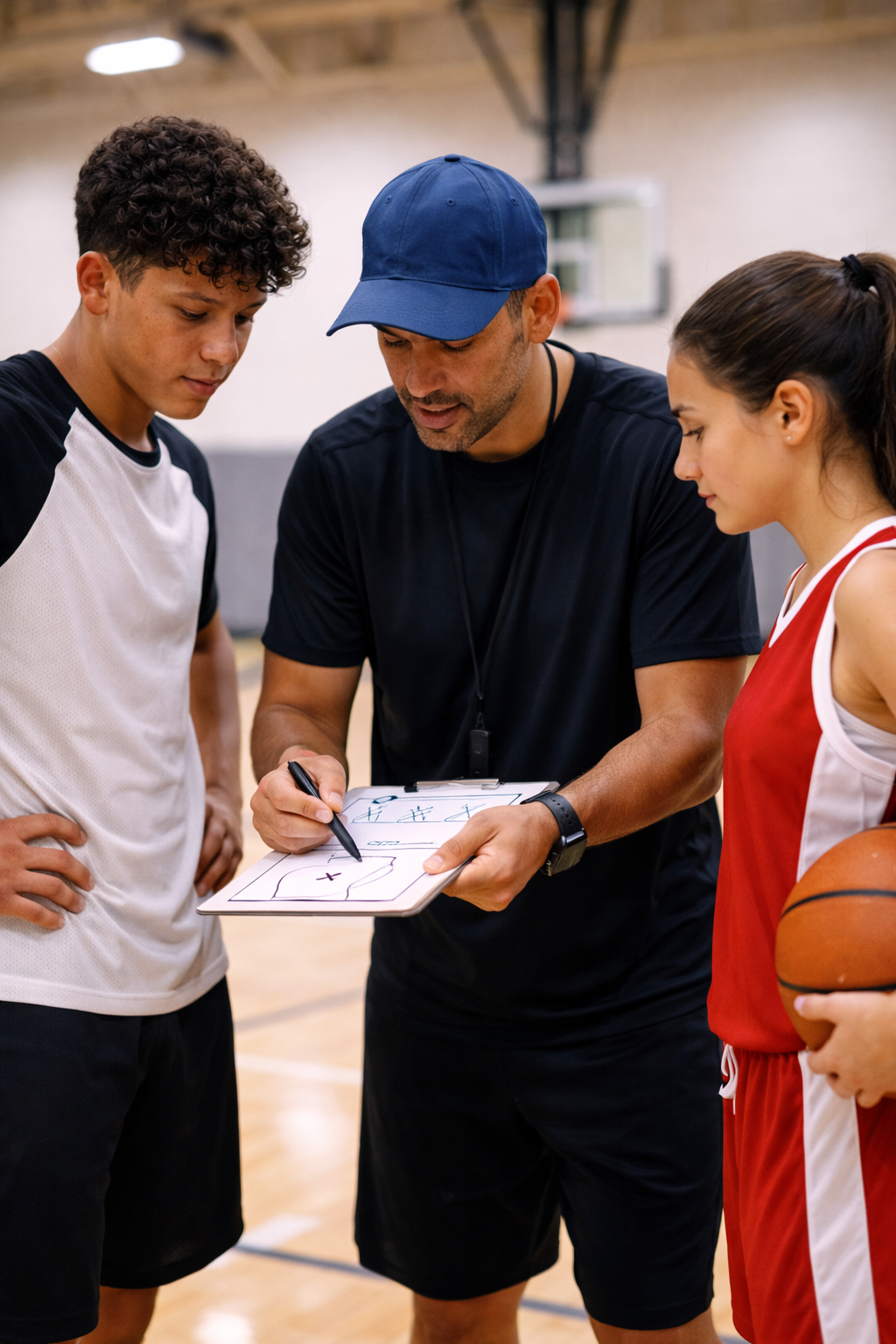
Another key factor is consistency. College coaches don’t just want to see one good game — they want to see habits. How an athlete warms up, how they interact with teammates, how they respond to mistakes, and how they handle coaching all play a role in the evaluation process.
Parents sometimes focus heavily on exposure, traveling to multiple camps and tournaments hoping to be seen. Exposure helps, but preparation and positioning are what truly make a difference. When a college coach walks into a gym, they are looking for athletes who are ready — mentally, physically, and emotionally.
At the end of the day, recruiting is about fit and trust. Coaches want athletes they can rely on, develop, and bring into their program with confidence. Families who understand this early give their athletes a significant advantage in the process.
Action Steps for Parents and Athletes
Focus on effort and attitude in every game and practice
Encourage strong communication with coaches and teammates
Prioritize basketball IQ and decision-making over highlight plays
Choose camps and tournaments strategically, not emotionally
Build consistent habits that college coaches can trust
Remember that fit matters more than exposure
